Creating a home office that is both cozy and productive can transform the way you work from home. Whether you’re starting fresh or looking to improve your current setup, a thoughtfully designed space can increase focus, reduce stress, and even improve your overall well-being. In this post, we’ll explore practical tips to help you build an inviting and efficient home office that suits your needs.
Why Your Home Office Matters
Your home office is more than just a place to work; it’s where you spend a significant part of your day, complete important tasks, and gather your ideas. Having a space that is comfortable and organized can help you maintain a better work-life balance and keep distractions at bay.
Choose the Right Location
Find a Quiet Spot
Pick a part of your home that is relatively quiet and away from heavy foot traffic. This helps minimize distractions and noise that can interrupt your workflow.
Consider Natural Light
Position your desk near a window if possible. Natural light can boost your mood and energy, making it easier to stay alert and focused. If natural light is limited, invest in good quality task lighting that mimics daylight.
Invest in Comfortable and Functional Furniture
Ergonomic Chair
A supportive chair that promotes good posture is essential. Comfort helps prevent back pain and fatigue during long work hours.
Desk Size and Layout
Select a desk that fits your work habits. Ensure there’s enough surface area for your computer, paperwork, and any other tools you frequently use. Adjustable desks or standing desks can offer flexibility throughout the day.
Personalize Your Workspace
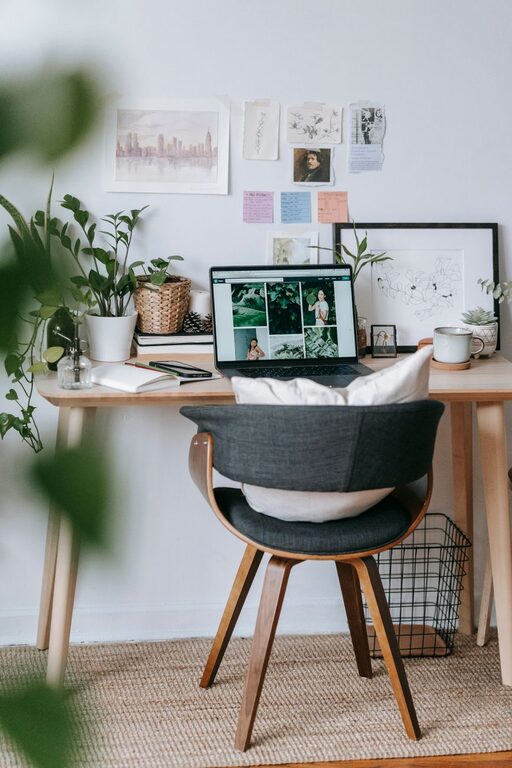
Adding personal touches can make your office feel welcoming and motivating.
– Hang artwork or photos that inspire you.
– Use plants to bring life and freshness; they can also improve air quality.
– Choose colors and decor that make you feel relaxed and energized.
Organize to Optimize Productivity
Declutter Regularly
Keep only the essentials on your desk to maintain a clear and distraction-free zone. Store other items in drawers or shelves.
Use Storage Solutions
Incorporate organizers like trays, file holders, and baskets to keep supplies tidy and within reach.
Digital Organization
Maintain a clean desktop on your computer and use apps or folders to manage documents efficiently.
Establish Good Lighting
In addition to natural light, use a combination of ambient and task lighting. A desk lamp with adjustable brightness helps reduce eye strain while working on detailed tasks.
Minimize Noise and Distractions
Consider noise-cancelling headphones or white noise machines to block out background sounds. Setting boundaries with family members or housemates during working hours can improve concentration.
Add Comfort Elements
– Use soft cushions or footrests to enhance physical comfort.
– Keep a cozy throw blanket nearby for cooler days.
– Maintain a comfortable room temperature that suits your preference.
Set Up Technology Thoughtfully
– Arrange cables with clips or sleeves to prevent tangling.
– Place charging stations conveniently.
– Invest in a reliable internet connection and necessary peripherals like printers or extra monitors.
Create a Routine and Dedicated Work Hours
To maximize productivity, define clear start and end times for your workday. This helps create separation between work and personal life, even when working from home.
Final Thoughts
Designing a cozy and productive home office is about balancing comfort with efficiency. By paying attention to location, furniture, personalization, and organization, you can create a space that supports your work goals and well-being. Try experimenting with different layouts and elements to find what feels best for you.
Creating your ideal home office setup might take some time, but the benefits for your productivity and happiness are worth the effort. Start small, stay consistent, and enjoy your new, inviting workspace!
About the Author