Creating a home office that balances comfort with productivity can transform your work-from-home experience. A well-designed space can help reduce stress, increase focus, and make your daily routine more enjoyable. Whether you have a dedicated room or just a corner in your living area, these tips will guide you in crafting a cozy and efficient workspace.
Find the Right Location
Choosing the right spot for your home office is the first step. Look for a quiet area with minimal distractions. Natural light is a bonus, so try to set up near a window if possible.
– Avoid high-traffic areas where noise and interruptions are frequent.
– Ensure you have enough space for your desk, chair, and any other equipment.
– Consider proximity to power outlets and your internet connection.
Invest in Comfortable Furniture
Your comfort is essential for staying productive during long work hours. Good furniture supports better posture and reduces fatigue.
– Chair: Choose an ergonomic chair that supports your back and allows for adjustments.
– Desk: A desk with enough surface area to hold your computer, documents, and accessories helps keep you organized.
– Additional seating: If space allows, add a small sofa or armchair for reading or brainstorming.
Optimize Lighting
Proper lighting reduces eye strain and creates a pleasant atmosphere.
– Use natural light whenever possible—it boosts mood and energy.
– Supplement with a good desk lamp that provides focused light without glare.
– Consider warm, soft ambient lighting for a cozy feel during evening hours.
Declutter and Organize
A tidy workspace helps clear your mind and makes finding essentials easier.
– Use storage solutions like shelves, drawers, and organizers to keep items off your desk.
– Designate spots for frequently used supplies to keep things within reach.
– Regularly tidy your space to prevent clutter build-up.
Personalize Your Space
Adding personal touches can make your office feel welcoming and inspire creativity.
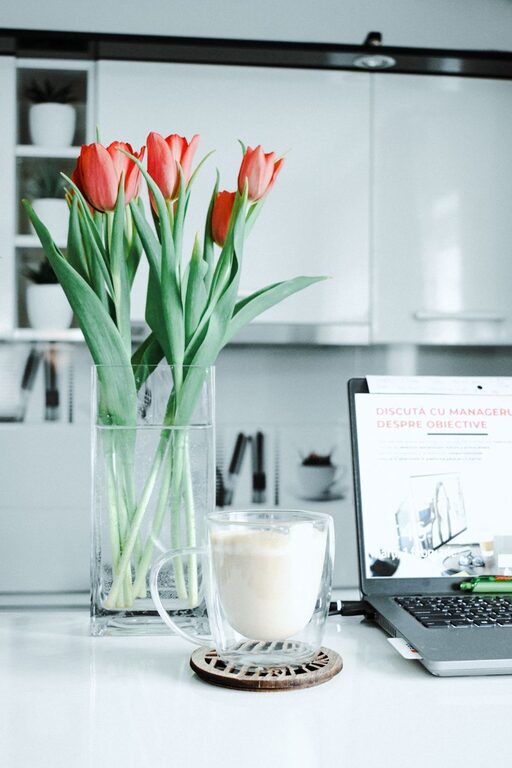
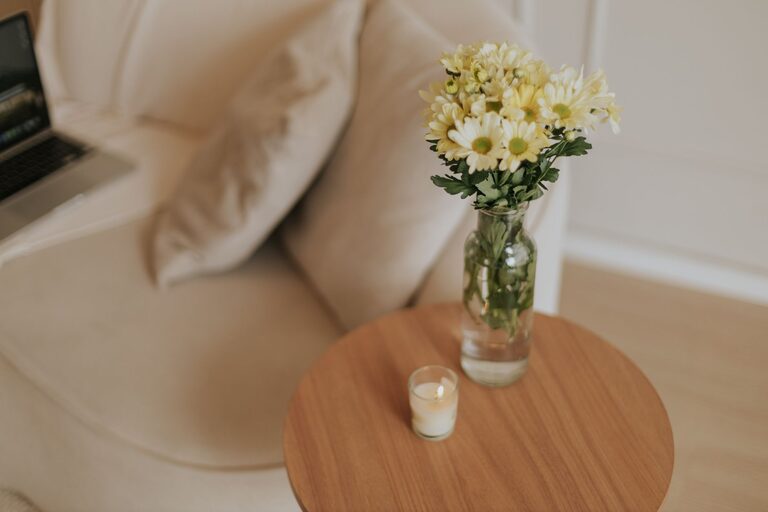
– Display artwork, photos, or plants to add color and life.
– Choose decor that reflects your style but keeps the area calm and not overwhelming.
– Use colors known to enhance productivity, such as soft blues, greens, or neutrals.
Manage Noise Levels
Noise can be a major distraction, so managing sound is important.
– Use noise-canceling headphones or white noise machines if you’re in a noisy environment.
– Consider adding soft materials like rugs, curtains, or cushions that absorb sound.
– If possible, schedule work around quieter hours in your household.
Set Boundaries and Establish Routines
Maintaining work-life balance is easier when your workspace feels separate.
– Avoid working in bed or on the couch to create a clear physical boundary.
– Set specific work hours and take breaks regularly.
– Communicate your schedule to family or housemates to minimize interruptions.
Incorporate Technology Wisely
Tech tools can enhance your workflow but too many gadgets may cause distractions.
– Choose reliable equipment like a fast computer, quality webcam, and headset.
– Use apps for task management, video calls, and note-taking to stay organized.
– Keep your cables tidy with clips or sleeves to avoid mess and hazards.
Add Greenery
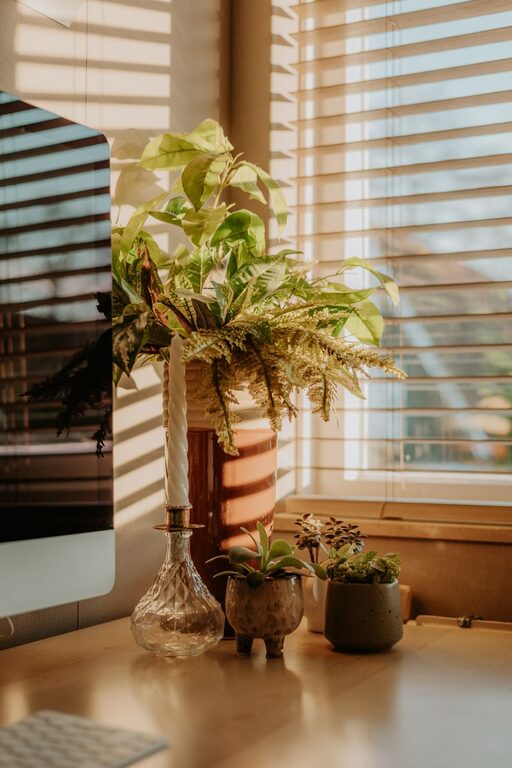
Plants not only improve air quality but also add a calming natural element.
– Start with low-maintenance plants such as succulents or snake plants.
– Place plants near your desk or on shelves to brighten the space.
– Regularly care for your plants to keep them healthy and vibrant.
Final Thoughts
Creating a home office that is both cozy and productive is about finding the right balance between comfort and functionality. By thoughtfully arranging your workspace, investing in quality furniture, and adding personal touches, you can build an environment that supports focus and well-being. Remember to adjust your setup as your needs change to keep your home office inspiring and efficient.
About the Author