Creating a home office that balances comfort and efficiency is key to enjoying your workday and staying focused. Whether you work remotely, freelance, or just need a dedicated spot for personal projects, a cozy and productive workspace can make all the difference. Here are some helpful tips to guide you in designing the perfect home office.
Choose the Right Location
Find a Quiet Space
Select a room or corner in your home that is naturally quiet and away from distractions. If space is limited, consider using a room divider or noise-canceling headphones to help create a focused environment.
Consider Natural Light
Try to position your desk near a window. Natural light not only brightens your space but also improves mood and reduces eye strain during long work sessions. If natural light is scarce, use soft, warm artificial lighting to maintain a cozy atmosphere.
Invest in Comfortable Furniture
Ergonomic Chair
Invest in an ergonomic chair that offers good lumbar support, adjustable height, and comfortable cushioning. Sitting comfortably helps prevent back pain and supports better posture throughout the day.
Functional Desk
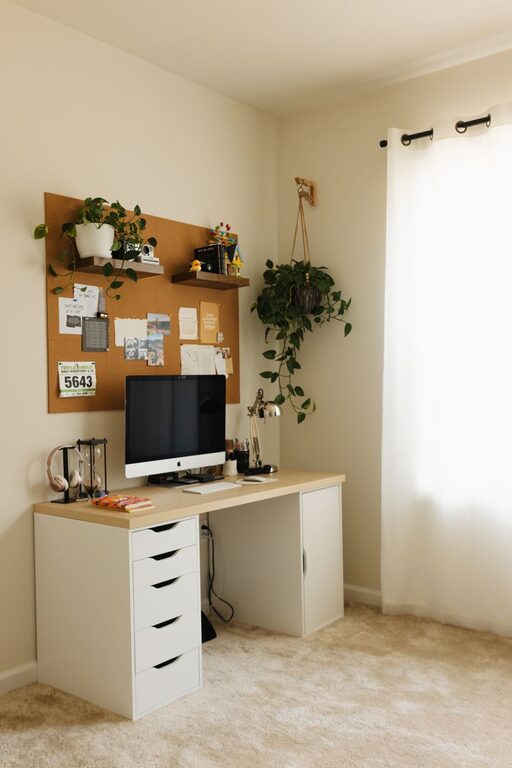
Choose a desk that fits your space and work needs. It should be large enough to hold your computer, paperwork, and any other tools you regularly use. Adjustable desks that allow for standing can also be a great option to vary your posture.
Personalize Your Space
Add Soft Textures
Incorporate cushions, throws, or a small rug to make your office feel warm and inviting. Soft textures can increase comfort and add a touch of personality.
Include Plants
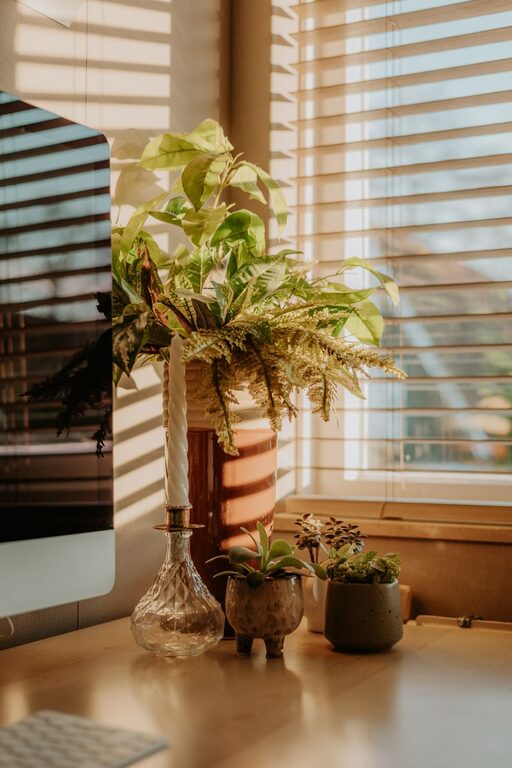
Houseplants bring a bit of nature indoors and improve air quality. Low-maintenance options like succulents or pothos are perfect for offices and can help reduce stress.
Use Colors Wisely
Choose colors that suit your work style. Calming shades like blues and greens help with focus, while warmer colors like yellows can boost creativity and energy.
Organize for Efficiency
Declutter Regularly
Keep your workspace clean by removing unnecessary items. A tidy area helps clear your mind and prevents distractions.
Use Storage Solutions
Incorporate shelves, drawers, or organizers to keep supplies within reach and neatly arranged. Labeling storage bins also speeds up finding what you need.
Cable Management
Tame the cords on your desk with clips, sleeves, or boxes designed for cable management. This small step helps maintain a neat and harmonious workspace.
Enhance Lighting and Technology
Task Lighting
Add a desk lamp with adjustable brightness to illuminate your work area during late hours or on cloudy days. Focused lighting reduces eye strain and improves productivity.
Reliable Technology
Ensure your computer, internet connection, and peripherals meet your work demands. Keeping your devices updated and in good working order prevents frustrating interruptions.
Establish a Routine and Boundaries
Dedicated Work Hours
Set specific times to start and end your workday. This routine can help you stay disciplined and maintain a healthy work-life balance.
Minimize Interruptions
Communicate your work schedule with family or housemates to reduce distractions. Using a “do not disturb” sign or headphones can also send a clear message that you are focused.
Add Comfort and Wellness Touches
Keep Hydrated and Nourished
Have a water bottle and healthy snacks nearby to maintain energy levels. Taking short breaks for hydration and nourishment supports concentration.
Incorporate Movement
Stretch regularly or consider a few simple office exercises to avoid stiffness. Movement helps improve circulation and keeps you feeling refreshed.
Maintain Air Quality
Ventilate your workspace regularly or use an air purifier to keep the air fresh. Good air quality is linked to better focus and overall well-being.
Conclusion
Designing a home office that is both cozy and productive doesn’t have to be complicated. By choosing the right location, investing in comfort, organizing efficiently, and establishing healthy routines, you can create a workspace that inspires and supports your work. Small touches like plants, proper lighting, and soft textiles make the office feel inviting, while practical solutions like storage and ergonomic furniture keep you on task. With these tips, your home office can become a space you look forward to spending time in every day.
About the Author